
Replacing a water heater is a necessary plumbing upgrade when you own a home long enough, but it can be a stressful scenario for you to face whether your current system is reaching the end of its lifespan or you have an unexpected equipment failure. Installing a new unit is an investment in efficiency and comfort. How much it will cost varies widely based on fuel source, installation requirements, the kind of unit, and long-term operating expenses. Understanding the different factors helps you make the best choice moving forward for your home, budget, and household needs.
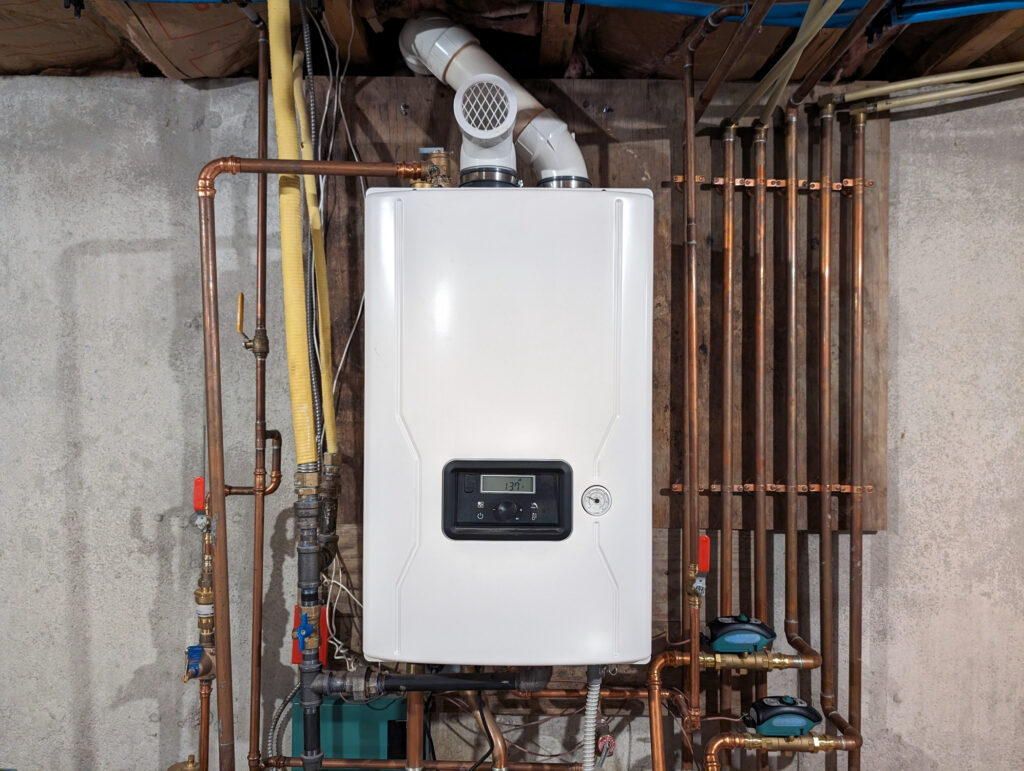
Average Water Heater Cost in Wisconsin
Total water heater cost for a Wisconsin home usually includes both the price of the physical unit and the manual labor necessary for installation. Many households replacing a traditional tank water heater will face a budget range of $1,300 to $1,500.
Tankless systems usually cost more upfront, possibly $3,00 to $6,000 or even more, particularly when modifications to electrical systems or gas lines are necessary. The initial price might be higher, but many homeowners choose tankless systems for their efficiency and on-demand hot water.
Labor costs also matter significantly. Installation expenses can be higher when plumbers need to relocate the unit, adjust plumbing connections, or upgrade venting. Older homes might need extra modifications to meet modern building and safety codes.
Tank vs. Tankless Water Heater Replacement
One of your biggest decisions will be choosing between a tankless model or a traditional tank system. You’ll need to consider both the long-term benefits and the upfront investment.
A tank water heater stores heated water in a large insulated container and typically holds between 40 and 80 gallons. They’re usually less expensive systems to purchase and install, making them popular, but they have to refill and reheat water once their storage supply runs out.
Tankless systems only heat water as necessary, using high-powered heating elements to instantly warm water flowing through the unit. This provides a continuous supply of hot water, higher efficiency, and longer lifespan, but it does so at a potentially higher equipment cost. Installation might also cost more if gas line or electrical upgrades are necessary.
Electric vs. Gas Water Heater Installation
The type of energy source used by the system also impacts water heater cost. Natural gas and electric models are the two most common choices, but each has different installation requirements.
Electric water heater installation is typically more economical, due to fewer components and no need for ventilation systems and gas supply lines. Gas water heaters usually cost more to install, given the more complex process, especially if gas line upgrades are necessary to support a new unit.
You should note that gas water heaters usually heat water faster compared to electric models. Also, natural gas prices are lower in some areas, leading to reduced operating costs over time. The availability of gas service and your home’s infrastructure can influence the best option.
Additional Factors That Influence Installation Costs
Unit size is an important factor to look at. Larger households might need higher-capacity or larger tanks to meet their daily hot-water demands.
Location also matters. Installation is usually more straightforward when a new unit takes the same spot as the old one; moving the system to a different part of your home might need structural adjustments, electrical work, or additional plumbing.
Many Wisconsin communities require permits for water heater placement to ensure safety standards. Licensed plumbers usually handle the permit process, but your final price may include associated fees.
Finally, you might add optional upgrades, such as improved insulation, expansion tanks, or leak-detection services. These might increase your initial investment, but they can also improve system efficiency and safety.
Long-Term Operating Costs and Energy Efficiency
Upfront price is an important concern, but you also need to evaluate long-term operating costs when evaluating your replacement options. Energy efficiency directly impacts overall system value and monthly utility bills.
Newer water heaters are considerably more efficient than older models, delivering reliably hot water while using less energy, thanks to advanced temperature controls, modern heating elements, and improved insulation. Tankless systems are among the most energy-efficient, but gas and electric systems can offer unique cost advantages depending on local utility rates. Consider both expected usage patterns and energy prices when looking for a system that offers the best value over time.
Planning for a Successful Water Heater Upgrade
Understanding the factors impacting water heater cost helps you get ready for this important home upgrade. Water heater cost depends on the type of unit, fuel source, system size, and the complexity of the water heater installation. A professional water heater replacement ensures safety and code-compliant installation.
Get Great Service Today
Avid Plumbing provides fast, reliable service to residents of Madison, Wisconsin, including Dane and Jefferson Counties, and more. Our water heater installation and repair services include tankless, electric, gas, and heat pump water heaters. We also specialize in Bradford White models.
Contact Avid Plumbing to find out how much it would cost to replace your water heater; let us help you find a system that fits your budget and delivers years of reliable hot water to your home.